🚨 24/7 Live Emergency Plumber • Bennett Rooters • Bennett, Strasburg, Watkins, Byers
Bennett Rooters - 24/7 Rooter & Emergency Plumbing in Bennett, CO
Call +1 (720) 731-0109
24/7 HOT WATER SERVICE

Water Heater Repair, Installation & Replacement in Bennett, CO

Having trouble with your hot water? A faulty water heater can leave you with cold showers, inconsistent water temperatures, leaks, or unusual noises from the tank. Whether your existing unit needs a repair, you want to replace an aging system, or you are installing a water heater in a home, choosing the right solution matters.

We provide water heater service information for homeowners in Bennett, Colorado, including repair, installation, and replacement options for different types of water heaters.
Call for Water Heater Service: +1 (720) 731-0109 →
★★★★★
4.9 / 5 Rating Bennett & Eastern Metro
Water Heater Repair in Bennett, CO
100%
Hot Water Restored
< 30 Mins
Rapid Dispatch
All Makes
Tank & Tankless Units
Upfront Flat
Pricing In Writing
Prompt Local Response

Water Heater Repair in Bennett, CO

Water heaters can develop problems as components wear out, sediment accumulates, or connections begin to leak. Some issues may be resolved by repairing a specific component, while others require a closer inspection of the entire system.

Common water heater problems include:

  • No hot water: A failed heating element, ignition issue, power supply problem, or other component fault may prevent the unit from heating water.
  • Water not getting hot enough: Temperature settings, sediment buildup, or a malfunctioning component may affect heating performance.
  • Inconsistent water temperature: A faulty thermostat, heating element, or other system issue may cause water temperatures to fluctuate.
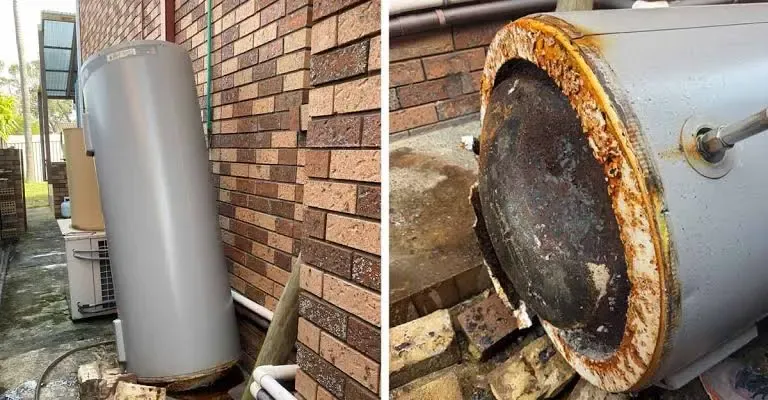
  • Leaking water heater: Leaks can develop around fittings, valves, connections, or the tank itself. If you suspect an unseen supply pipe leak, explore our leak detection services.
  • Unusual noises: Popping, rumbling, or banging sounds can indicate sediment buildup or another operating issue.
  • Discolored or unpleasant-smelling hot water: Corrosion, sediment, or other water-quality issues may need investigation.
  • Low hot-water supply: A system that cannot keep up with household demand may have a component problem or may be undersized for the home.

The right repair depends on the water heater's type, age, condition, and the cause of the problem. A professional assessment can help determine whether repairing the unit is practical.
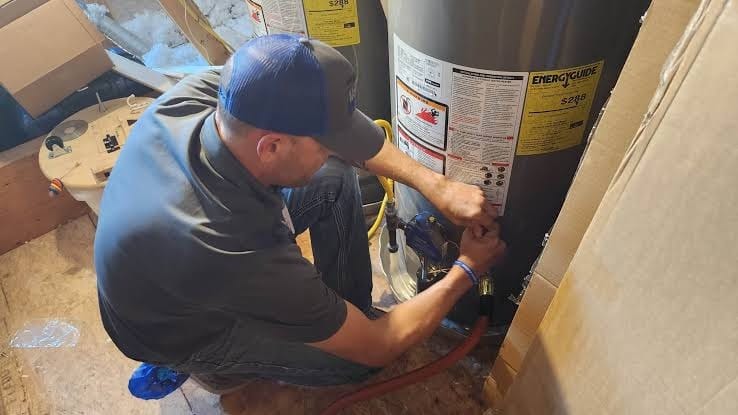
Need help troubleshooting your water heater? Call +1 (720) 731-0109
Water Heater Tank Diagnostic & Repair in Bennett, CO
Certified Water Heater Repair
Precision diagnostics for gas, electric, and tankless units restored same-day.
NEW SYSTEM SETUP

Water Heater Installation in Bennett, CO

Installing a water heater involves more than connecting a new unit. The system needs to suit the household's hot-water demand, available space, energy source, and existing plumbing.

Water heater installation may be needed when:

  • A home needs a new water heating system.
  • An existing unit is being upgraded to a different type.
  • A remodeling project changes household hot-water requirements.
  • The current system is too small for the number of people using hot water.
  • An older unit is being replaced as part of a plumbing improvement.

Before selecting a new water heater, consider the number of occupants, the number of bathrooms, simultaneous hot-water use, energy costs, installation space, and the condition of existing connections. Gas and electric models have different installation requirements. Tankless and heat pump systems may also require changes to plumbing, electrical service, ventilation, or other components. The property should be assessed before choosing a unit.

SYSTEM UPGRADES

Water Heater Replacement in Bennett, CO

If your water heater keeps breaking down or no longer supplies enough hot water, replacement may be worth considering. However, not every problem means the entire unit needs to be replaced.

Signs that replacement may be appropriate include:

  • The tank is leaking because of corrosion or internal failure.
  • Repairs are becoming frequent or costly.
  • The system struggles to meet normal household demand.
  • Hot water frequently runs out.
  • The unit shows signs of significant corrosion or deterioration.
  • Replacement parts are difficult to obtain for an older model.

A leaking connection or faulty replaceable component may be repairable. A leaking storage tank, however, often requires replacement rather than a simple repair. When comparing replacement options, consider the purchase price, installation requirements, expected household demand, energy use, maintenance needs, and manufacturer warranty terms. The lowest upfront price may not always be the most suitable long-term choice.

System Options

Types of Water Heaters

Different water heaters operate in different ways. Understanding the main options can help you choose a system that suits your home in Bennett, CO.

Traditional Tank Water Heaters

1. Traditional Tank Water Heaters

A storage tank water heater heats and stores a supply of hot water until it is needed. These units commonly use natural gas or electricity.
Advantages:
  • Familiar design used in many homes
  • Hot water is stored and ready for use
  • Available in different tank capacities
Things to consider:
  • Supply can run out during heavy use
  • Requires adequate installation space
  • Sediment and corrosion can affect performance
Suitable for conventional stored hot-water supply.
Tankless Water Heaters

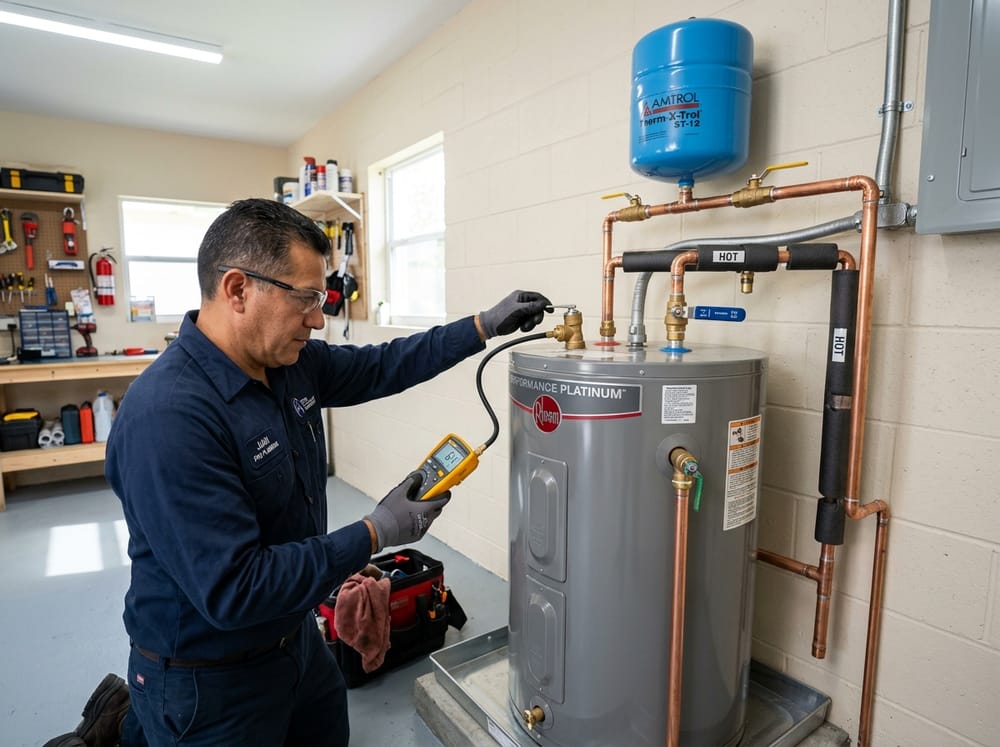
2. Tankless Water Heaters

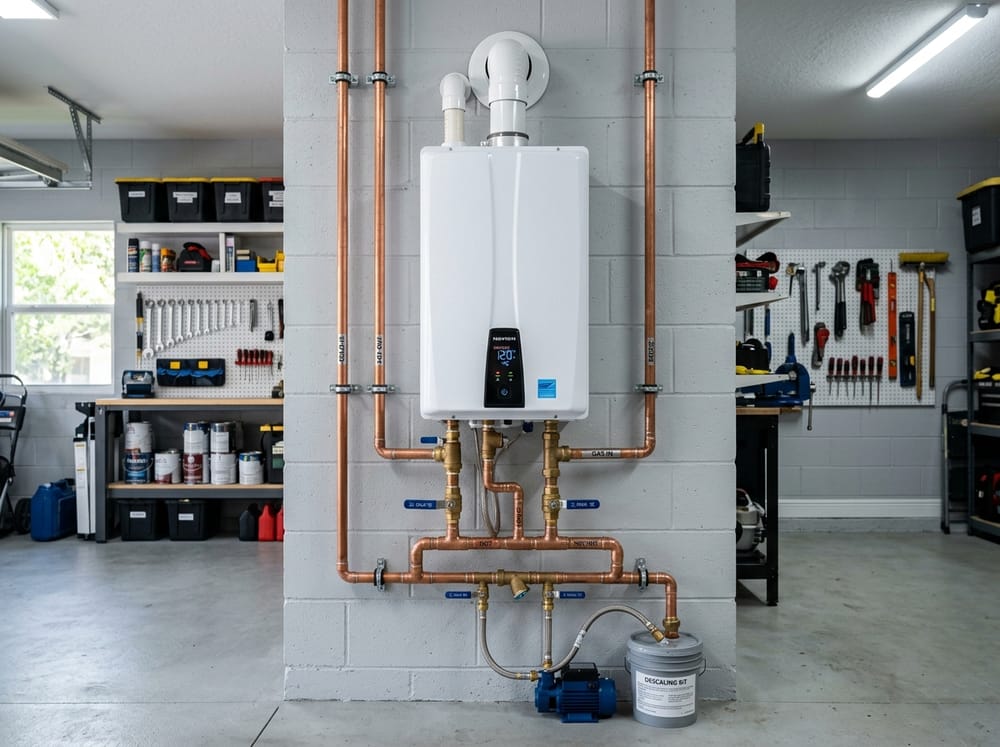
Tankless water heaters heat water as it flows through the unit instead of storing a full tank of hot water. They may use gas or electricity.
Advantages:
  • No large storage tank is required
  • Supplied on demand within unit capacity
  • Improved energy efficiency for many homes
Things to consider:
  • Must be sized for peak household demand
  • Gas units need dedicated piping and venting
  • Electric models require sufficient electrical capacity
Worth evaluating when saving space or energy is a priority.
Electric Water Heaters

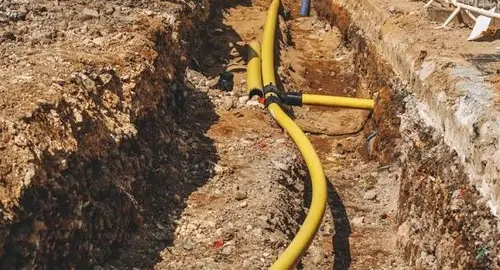
3. Electric Water Heaters

Electric water heaters use electrical resistance elements to heat water. They are available in storage-tank and tankless designs.
Advantages:
  • No natural gas connection is required
  • Available in a wide range of sizes
  • Straightforward when electrical system is suitable
Things to consider:
  • Operating costs depend on local utility rates
  • Circuit breaker capacity must be checked
  • Heating elements and thermostats need periodic service
Dependable solution for all-electric Bennett households.
Gas Water Heaters

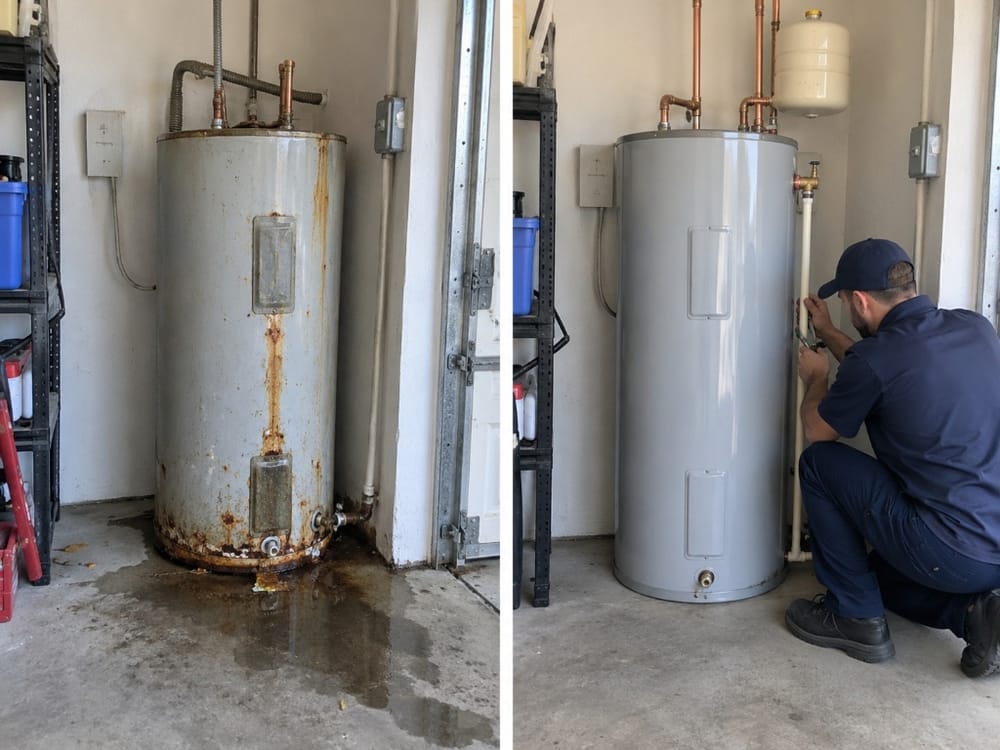
4. Gas Water Heaters

Gas water heaters use natural gas or propane to heat water. They are available in storage-tank and tankless configurations.
Advantages:
  • Substantial hot-water output when sized correctly
  • Faster hot water recovery than standard electric models
  • Suits homes with existing gas utility lines
Things to consider:
  • Correct gas connections and ventilation are essential
  • Combustion and exhaust systems require maintenance
  • Requires safety monitoring for gas line integrity
⚠️ If you smell gas, leave the area immediately and contact your gas utility or emergency services from a safe location.
Heat Pump Hybrid Water Heaters

5. Heat Pump Water Heaters

Heat pump water heaters use electricity to transfer heat from the surrounding air into the water rather than relying only on conventional electric resistance heating.

Advantages:
  • Uses substantially less electricity than standard resistance units
  • Provides a generous storage-tank hot-water supply
  • Highly efficient energy-saving option
Things to consider:
  • Needs suitable installation space and ambient airflow
  • Produces cool exhaust air and low operating sound
  • Higher upfront equipment investment
A qualified assessment can determine if a heat pump water heater is practical for your property.
Expert Guidance

Which Water Heater Is Right for Your Home?

The right system depends on your home's existing utilities, available space, hot-water demand, budget, and energy priorities. A traditional tank may suit a household seeking a conventional replacement, while tankless or heat pump models may be worth evaluating when efficiency or space is a priority.

Compare the installation requirements and long-term operating costs before making a decision.

URGENT INDICATORS

Water Heater Problems That Need Prompt Attention

Some water heater problems should not be left until later. Contact a plumbing professional if you notice:

  • Water leaking around the tank or nearby plumbing connections
  • A sudden loss of hot water
  • Water pooling around the unit
  • Repeated tripping of an electrical breaker
  • Unusual noises accompanied by poor performance
  • Rust-colored hot water or visible corrosion
  • A pressure-relief valve that continues discharging water

Safety Warning: If a leak is significant, keep away from electrical hazards and shut off the water supply only if it is safe to do so. Do not remove access panels or attempt to work on gas or electrical components without the appropriate qualifications.

Local Area Focus

Water Heater Service in Bennett, CO

Whether your home needs water heater repair, a replacement tank, or a different type of system, the first step is identifying the problem and understanding your options.

For homeowners in Bennett, the appropriate solution will depend on the existing unit, household hot-water needs, available utilities, and installation conditions. Nearby service availability should be confirmed when scheduling.

If your water heater problem is causing an active leak or another urgent plumbing issue, visit our plumbing services in Bennett, CO to discuss the problem with our dispatch team.

GOOD QUESTIONS

Frequently Asked Questions about Water Heaters in Bennett, CO

Got questions about repairs, tankless conversions, or leaking tanks? Here are common inquiries from Bennett homeowners.

(720) 731-0109 →
The cost depends on the type of water heater, the failed component, the complexity of the repair, and any parts required. An inspection and estimate are needed to determine the cost for a specific problem.
Repair may make sense when the issue involves a replaceable component and the unit remains in good condition. Replacement is often more appropriate when the storage tank has failed, corrosion is extensive, or repeated repairs are no longer practical.
Service life varies by water heater type, installation quality, water conditions, maintenance, and usage. The manufacturer's guidance and the unit's current condition are more useful than age alone when evaluating a repair or replacement.
Not for every household. Tankless models heat water on demand and do not need a large storage tank, but they must be sized correctly and may require additional installation work. Traditional tanks store hot water and may have lower upfront installation costs.
Leaks may come from plumbing connections, valves, fittings, or the tank itself. The source needs to be identified before deciding on a repair. A leak caused by tank failure generally calls for replacement.
Possible causes include a water heater that is too small for demand, sediment buildup, a faulty heating element, thermostat problems, or another operating fault. An assessment can help identify the cause.
Possibly, but the home must be assessed for electrical capacity, plumbing connections, installation space, and other requirements. Switching fuel types can involve additional work beyond replacing the appliance.
Service capability depends on the equipment, the specific fault, and local service coverage. Confirm availability for your water heater type before arranging an appointment.

Contact Us About Water Heater Service in Bennett, CO

Need help with a leaking water heater, inconsistent hot water, a replacement, or a new installation? Contact us to discuss your needs and determine the next step.

Call Bennett Rooters: +1 (720) 731-0109