🚨 24/7 Live Emergency Plumber • Bennett Rooters • Bennett, Strasburg, Watkins, Byers
Avg. Response: < 45 Mins
Licensed & Bonded
Your home's plumbing pipes carry water to faucets, showers, toilets, water heaters, and other fixtures. When pipes deteriorate, corrode, or develop repeated leaks, repairs to individual sections may no longer be enough to address the underlying problem.
Piping and repiping services help homeowners repair damaged plumbing, replace worn sections, or upgrade an existing water distribution system. Whether you are dealing with recurring leaks or considering whole-house repiping, the right solution depends on the condition of your pipes and the layout of your home.
We provide information about pipe repair, partial repiping, and complete plumbing pipe replacement for homeowners in Bennett, Colorado.
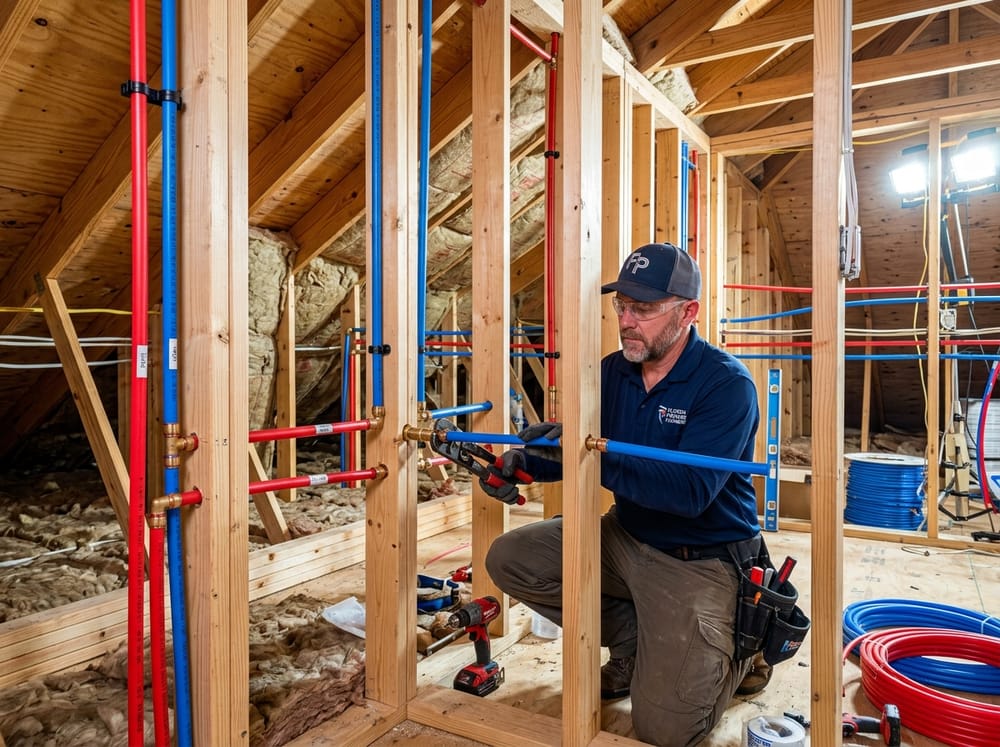
Not every plumbing problem requires replacing all the pipes in a home. When damage is limited to one accessible section, a localized repair may be sufficient.
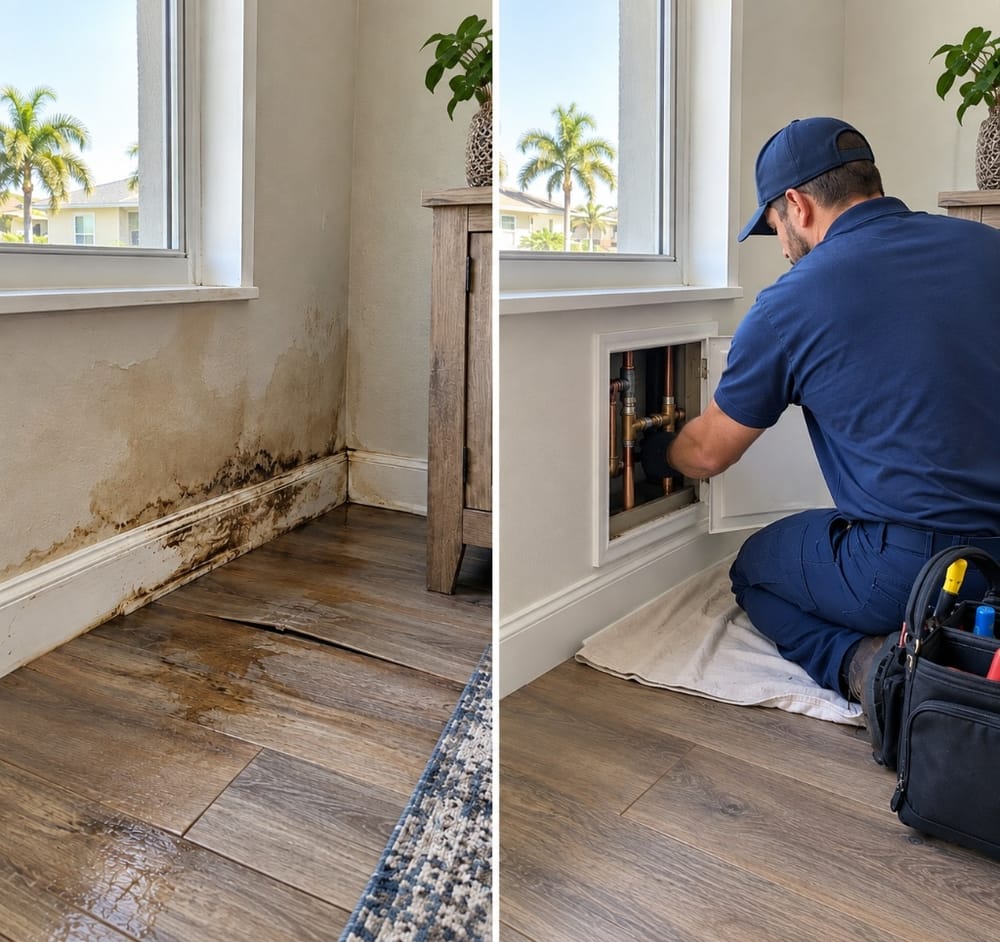
Leaks can develop at pipe joints, fittings, connections, or damaged sections of pipe. Even a small leak can affect cabinets, walls, ceilings, and flooring if it continues unnoticed.
Depending on the cause and pipe condition, the solution may involve replacing a fitting, repairing a connection, or installing a new section of pipe. Where the leak location is concealed, explore our leak detection services.
Some older metal pipes can deteriorate internally or externally over time. Corrosion may contribute to leaks, restricted flow, discoloration, or weakened pipe walls.
The appropriate solution depends on the pipe material, the extent of deterioration, and whether the affected section can be repaired reliably. Widespread corrosion may make repiping a more practical long-term option.
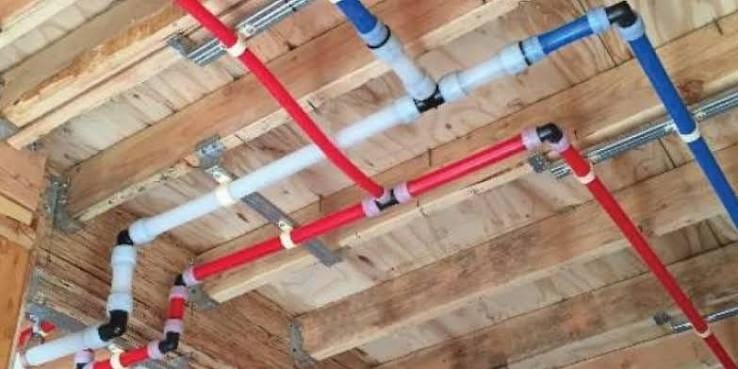
Restricted or deteriorated pipes can contribute to reduced water flow at plumbing fixtures. However, low pressure may also result from a supply issue, a partially closed valve, a faulty fixture, or another plumbing problem.
If several fixtures experience reduced flow, an assessment can help determine whether the issue is related to the pipes or another part of the water supply system.
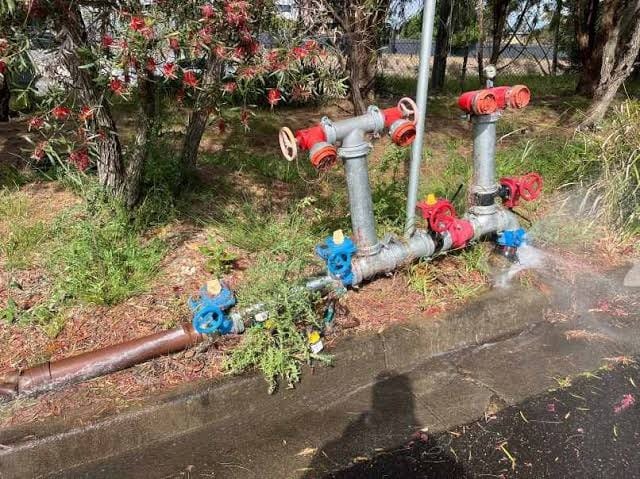
Water supply lines can be damaged by corrosion, freezing, physical impact, or failing connections. A damaged section may need repair or replacement to restore reliable water delivery.
For sudden splits or freeze damage, see our burst pipe repair guide. When connections to your tank are affected, consult our water heater service.
Whole-house repiping involves replacing some or all of the water supply pipes throughout a home. It may be considered when the existing plumbing has widespread deterioration, repeated leaks, or other problems that make continued repairs impractical.
Repiping may be worth evaluating when:
A repiping project requires an assessment of the existing pipe materials, the number and location of fixtures, access to concealed plumbing, and the layout of the home.
The scope of work may include replacing water supply lines, updating connections, and checking that the new pipework is compatible with the home's fixtures and water heater.
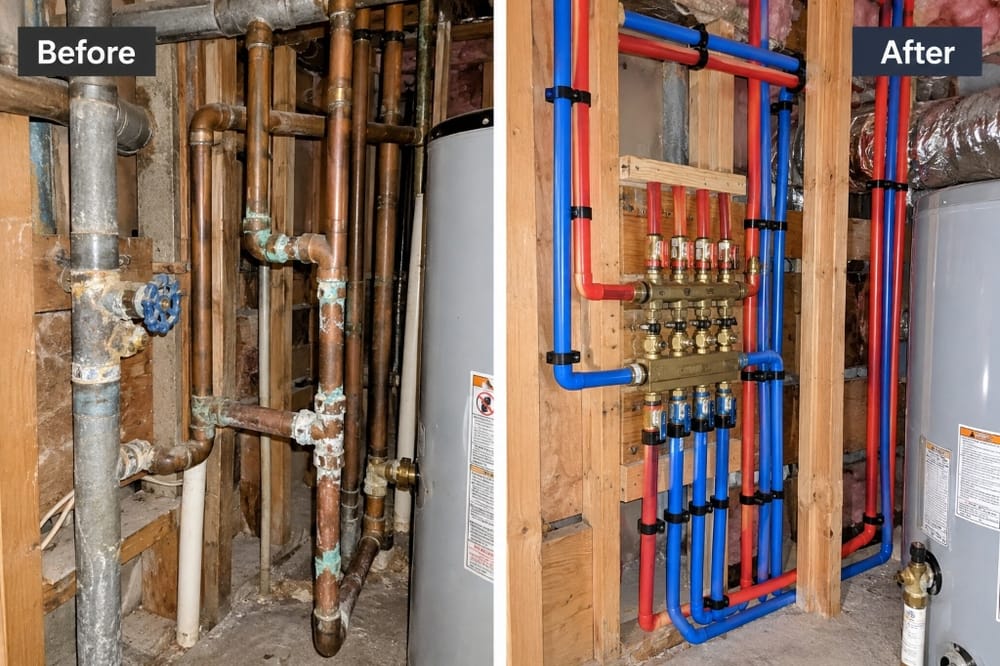
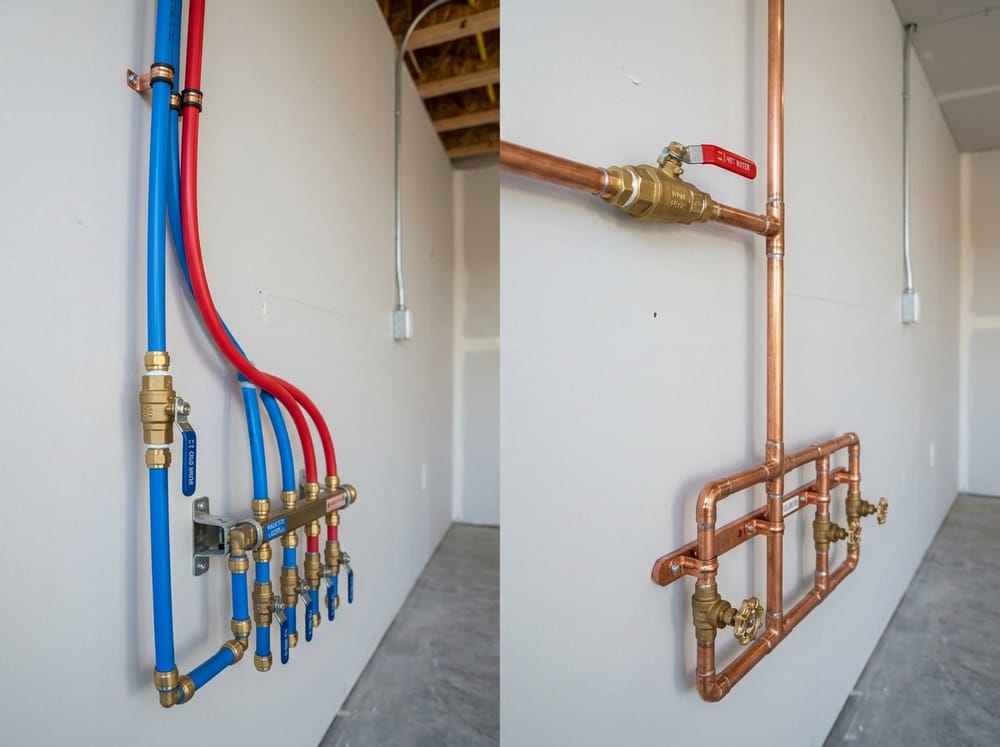
Modern whole-house PEX repiping eliminates hidden copper pinholes and corroded galvanized pipes with dedicated home-run distribution manifolds.
The right approach depends on whether the plumbing problem is isolated or widespread.
Partial repiping may be appropriate when:
Replacing all the pipes is not automatically necessary whenever a leak occurs. A localized assessment can determine whether targeted pipe replacement saves time and costs.
Whole-house repiping may be more appropriate when:
An evaluation can help identify the extent of the problem, prevent ongoing drywall damage from continuous pinholes, and explain the complete options available.
Different pipe materials have different characteristics, installation requirements, and maintenance considerations. The best choice depends on the application, local code requirements, and compatibility with the existing plumbing.
PEX is a flexible plastic piping material commonly used in residential water supply systems.
Copper has long been used for residential water supply plumbing.
CPVC is a rigid plastic piping material used in certain hot- and cold-water applications.
Galvanized steel pipes were used in many older plumbing systems. Their protective zinc coating can deteriorate over time, allowing corrosion and internal buildup to develop.
The condition of the pipes should be assessed to determine whether localized repairs or replacement are appropriate.
The right material depends on the intended use, existing plumbing, installation conditions, water quality, and applicable codes. A qualified plumbing assessment can help determine which options are suitable for your property.
When comparing repiping options, consider installation requirements, compatibility, expected maintenance, material costs, and access to the pipes.
Watch for these possible warning signs throughout your plumbing system:
Repiping requirements vary by property, but the process generally includes several organized steps:
Identify pipe materials, visible damage, recurring leaks, and the affected fixtures throughout the home.
Establish whether partial replacement or whole-house repiping is appropriate for your budget and plumbing condition.
Consider the plumbing layout, intended use, installation conditions, and local Colorado code requirements.
Work may require strategic access to pipes inside walls, ceilings, crawl spaces, or other concealed areas.
New piping and connections are pressure-tested and thoroughly checked for leaks and proper water operation.
Depending on the project, drywall, paint, or other building materials may need separate repair after plumbing work is complete.
Ask for a clear explanation of the proposed scope, the pipe materials, the expected disruption, and any work that is excluded from the plumbing estimate.
Homes can have different pipe materials, plumbing layouts, and histories of previous repairs. The best solution depends on the condition of the existing system rather than the home's age alone.
For homeowners in Bennett, Colorado, recurring leaks or widespread pipe deterioration may justify evaluating repiping options. A property-specific assessment can help determine whether targeted repairs are sufficient or a larger upgrade would be more practical.
Confirm service availability when arranging an appointment. For immediate emergencies such as burst or active pipe flooding, explore our emergency plumbing services.
Got questions about whole-house repiping costs, PEX vs copper, low water pressure, or wall access? Here are answers for Bennett homeowners.
Dealing with recurring leaks, corroded pipes, restricted water flow, or an aging plumbing system? Contact us to discuss your piping concerns and determine whether a localized repair, partial repiping, or whole-house replacement may be appropriate.