🚨 24/7 Live Emergency Plumber • Bennett Rooters • Bennett, Strasburg, Watkins, Byers
Avg. Response: < 45 Mins
Licensed & Bonded
A toilet that keeps running, leaks around the base, or refuses to flush properly can disrupt your household and waste water. Some problems involve replaceable internal components, while others may require a new toilet or repairs to the plumbing connections.
Whether you need a running toilet repaired, a clogged toilet assessed, or a new toilet installed, identifying the problem helps determine the right solution.
We provide information about toilet repair, installation, and replacement options for homeowners in Bennett, Colorado.
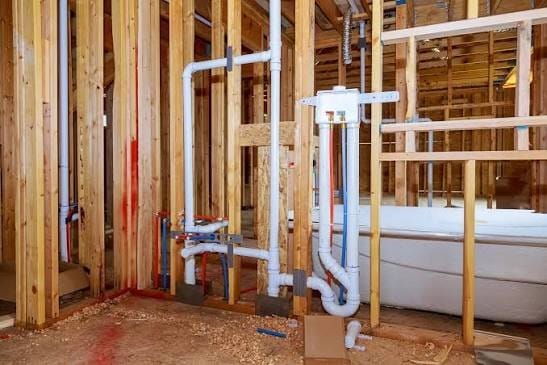
Toilet problems can range from minor flushing issues to leaks that affect flooring and nearby building materials. The appropriate repair depends on the toilet design, the condition of its components, and the source of the problem.
A toilet that continues running after flushing may have a faulty flapper, fill valve, flush valve, or improperly adjusted float.
The continuous flow can waste water and may increase your water bill. Depending on the toilet design, repair may involve adjusting or replacing an internal component.
If the toilet continues refilling without being used, it should be inspected to identify the cause.
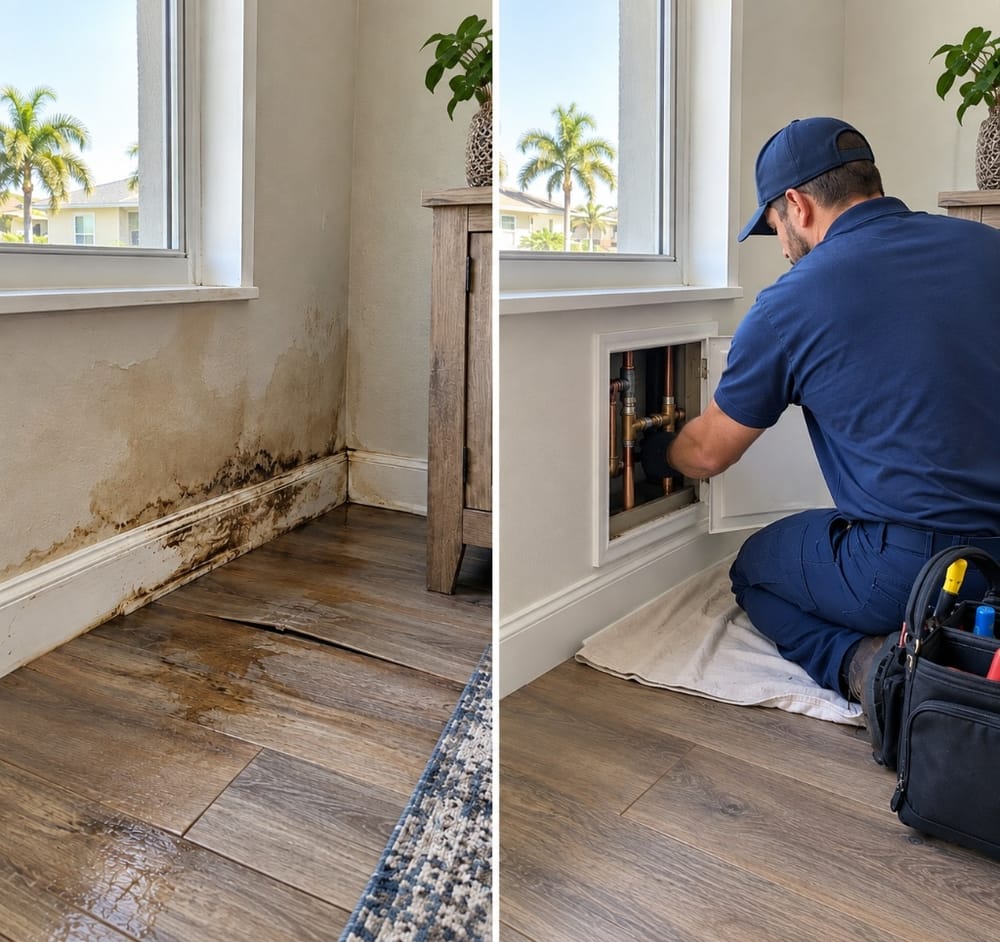
Toilet leaks may develop around the base, water supply connection, tank, or internal components.
A leak around the base may indicate a failed wax ring or another problem with the toilet's connection to the drain. However, water can also travel from nearby plumbing, so the source should be confirmed before repairs begin. If the leak source is concealed, explore our leak detection services.
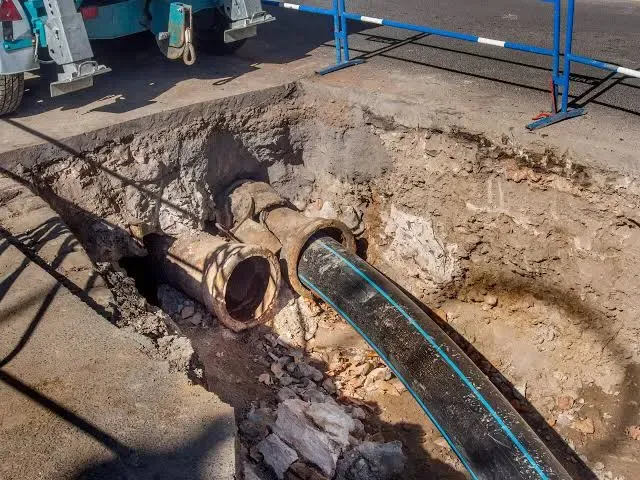
A toilet that flushes weakly, incompletely, or inconsistently may have a problem with its internal mechanism, a partial blockage, or restricted water flow.
If plunging does not resolve the issue or the problem keeps returning, further assessment may be necessary. If multiple drains are sluggish, explore our sewer line repair options.
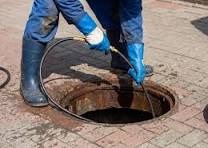
Toilets can become clogged by excessive toilet paper, unsuitable items, or other material that restricts the trap or drain.
A suitable plunger may resolve a minor blockage. If the toilet repeatedly clogs, water rises close to the rim, or other fixtures begin backing up, stop flushing and investigate the underlying cause.
Avoid repeatedly flushing a blocked toilet because it can overflow and cause water damage. For chronic blockages, check out our comprehensive drain cleaning services.
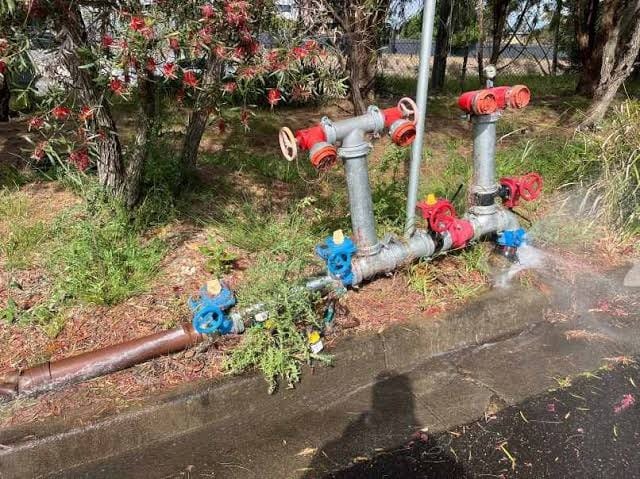
The tank contains components that control filling and flushing. Worn parts may cause weak flushing, constant refilling, or water leaking from the tank.
Repairs may involve the fill valve, flapper, flush valve, handle, or connecting chain. The correct parts depend on the toilet model and the condition of the existing components.
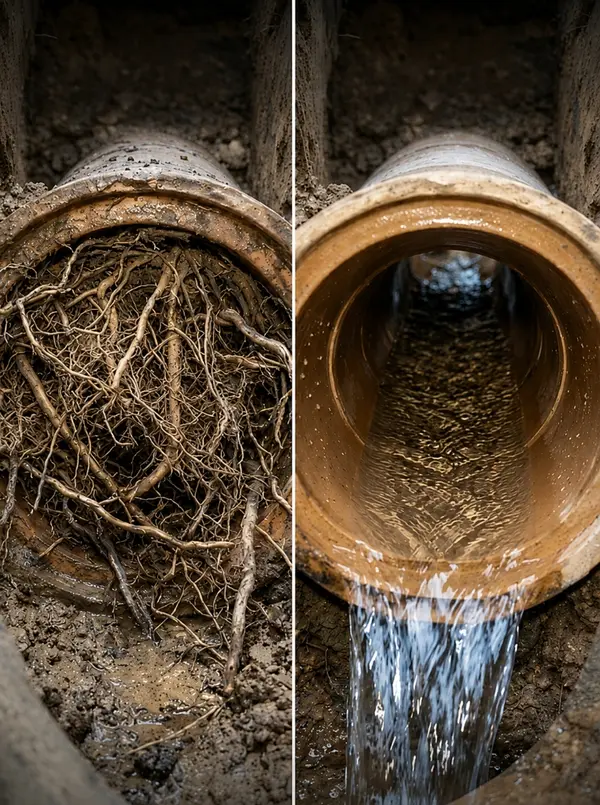
A toilet should sit securely on the floor and connect properly to the drain. A damaged seal, loose mounting hardware, or an uneven installation can contribute to leaks or movement.
If a toilet rocks when used or water appears around its base, have the fixture assessed. Simply tightening the mounting bolts may not correct a failed seal and can damage the toilet if overtightened.
Installing a new toilet requires the correct fixture, a compatible drain connection, secure mounting, and a properly connected water supply.
Toilet installation may be needed when:
Before selecting a toilet, consider the drain rough-in measurement, available bathroom space, bowl shape, seat height, water-efficiency rating, and the location of the water supply.
A proper installation should also include checking for leaks, confirming that the toilet sits securely, and testing the flushing and refill mechanisms.
Sometimes replacing a toilet is more practical than repeatedly repairing it.
Replacement may be worth considering when:
A toilet with a minor internal fault may only need a component replacement. A cracked porcelain fixture generally needs to be replaced rather than patched as a permanent repair.
Before replacing the toilet, check whether the existing drain connection and bathroom layout are compatible with the new model.
Different toilet designs offer different installation requirements, dimensions, and features.
Two-piece toilets have a separate tank and bowl. They are common in residential bathrooms and are available in a wide range of styles and prices. The separate components can make handling and installation more manageable, although the tank-to-bowl connection must be sealed correctly.
One-piece toilets combine the tank and bowl into a single unit. They offer a streamlined design and fewer external joints between the tank and bowl. Their weight, dimensions, and installation requirements should be considered when selecting a replacement.
Dual-flush toilets provide different flush options for liquid and solid waste. The system is designed to use different amounts of water depending on the selected flush. Correct installation and compatible internal components are important for reliable operation.
Comfort-height toilets have a higher seating position than many standard-height models. They may be easier for some adults to use, depending on their needs and preferences. Check the overall height and bathroom dimensions before purchasing one.
Wall-hung toilets are mounted to a supporting frame concealed within or behind the wall. Their installation can require specialized structural support, concealed plumbing, and access for maintenance. They are often considered during new construction or bathroom remodeling rather than as a straightforward replacement for a standard floor-mounted toilet.
Water-efficient toilets are designed to use less water per flush than older, less efficient models. Actual performance depends on the model, installation, and plumbing conditions. When choosing a replacement, compare the product's water-use specifications and flushing performance rather than relying on appearance alone.
Consider arranging an assessment if you notice:
If a toilet overflows or wastewater begins rising in the bowl, take these immediate containment steps:
Additional flushing will pump more water into an already blocked fixture and make the overflow worse.
Turn the oval shutoff valve behind the toilet clockwise until tight if you can reach it safely.
Avoid contact with contaminated wastewater. Keep children, family members, and household pets away.
Chemicals may not clear the blockage and create severe burn and chemical hazards during plumbing work.
Repeated overflows or backups may require more than a basic toilet unclogging to diagnose deep pipe restrictions.
If sewage is backing up through several fixtures, stop using water immediately and seek professional plumbing assistance.
For urgent plumbing problems, visit our plumbing homepage to discuss available service options.
Toilet problems can originate in the fixture itself, the water supply connection, or the drain line. The correct solution depends on the symptoms and the condition of the existing installation.
For homeowners in Bennett, Colorado, identifying the source of a leak or recurring blockage can help avoid unnecessary part replacements and repeated repairs. Confirm service availability when arranging work.
Got questions about running toilets, base leaks, repeated clogs, or choosing a replacement? Here are common inquiries from Bennett homeowners.
Dealing with a running toilet, leaking base, repeated clog, flushing problem, or toilet replacement project? Contact us to discuss your needs and determine the next step for your home in Bennett, CO.