🚨 24/7 Live Emergency Plumber • Bennett Rooters • Bennett, Strasburg, Watkins, Byers
Avg. Response: < 45 Mins
Licensed & Bonded

A dripping faucet can waste water, while a loose handle, leaking base, or sudden drop in water flow can make everyday tasks frustrating. Faucet problems may result from worn washers, damaged cartridges, failing seals, mineral buildup, or loose connections.
Whether your kitchen faucet is leaking, your bathroom faucet needs a repair, or you want to install a new fixture, identifying the cause helps determine the right solution.
We provide information about faucet repair, replacement, and installation options for homeowners in Bennett, Colorado.
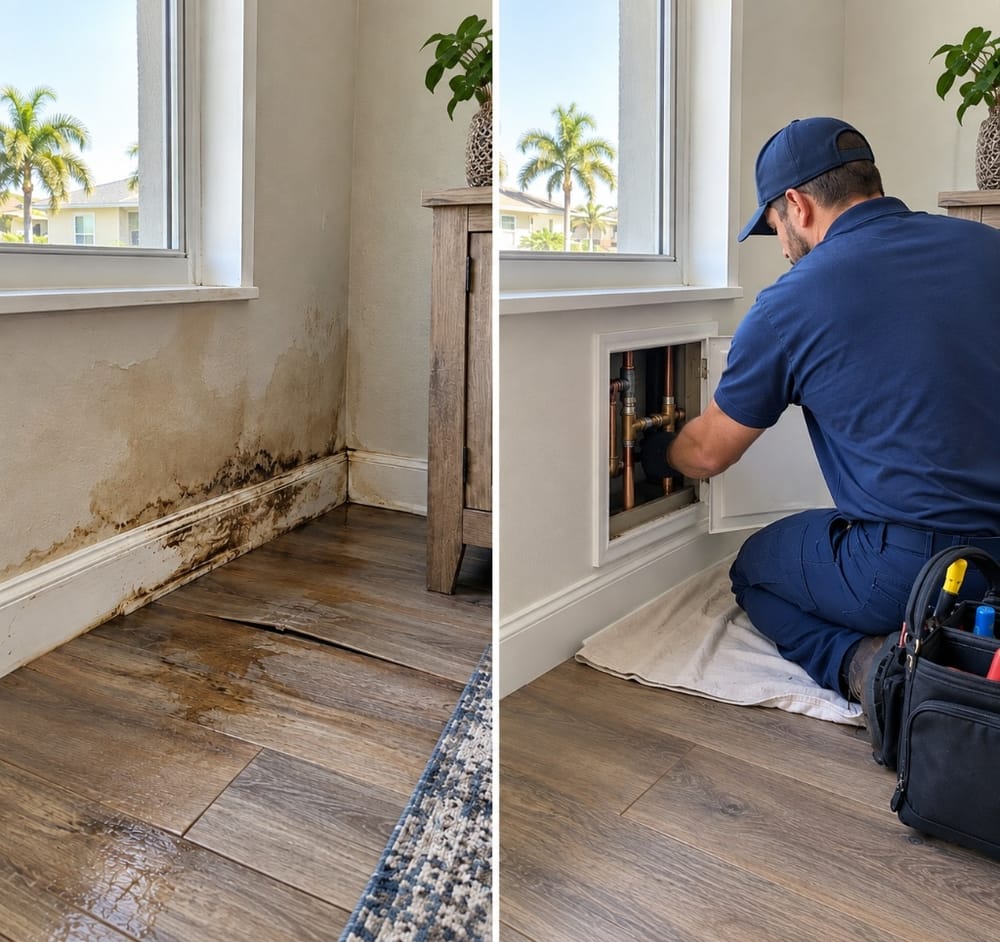
Different faucet problems require different repair methods. The appropriate solution depends on the faucet design, the condition of its internal components, and the source of the leak.
A faucet that continues dripping after being turned off may have a worn washer, damaged cartridge, deteriorated seal, or another faulty component.
Even a small drip can waste hundreds of gallons of water over time. Identifying the source of the leak helps determine whether a component rebuild or complete fixture replacement is more practical.
Kitchen faucets are used frequently and may develop leaks, loose handles, restricted flow, or problems with pull-down spray heads.
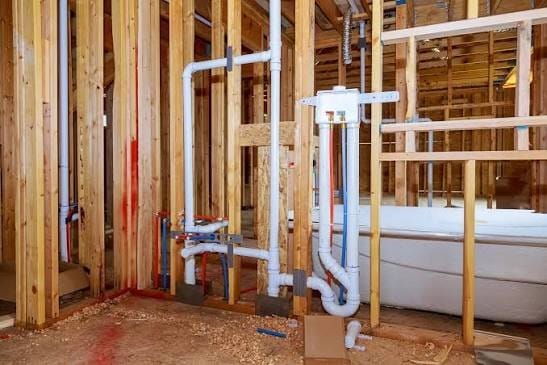
Bathroom faucets can develop leaks around handles, spouts, and mounting points. Worn internal parts may also make the handle difficult to operate or prevent the faucet from shutting off completely.
A repair may involve replacing a cartridge, seal, or washer. If the faucet body is corroded or replacement parts are unavailable, installing a new fixture is often the best choice.
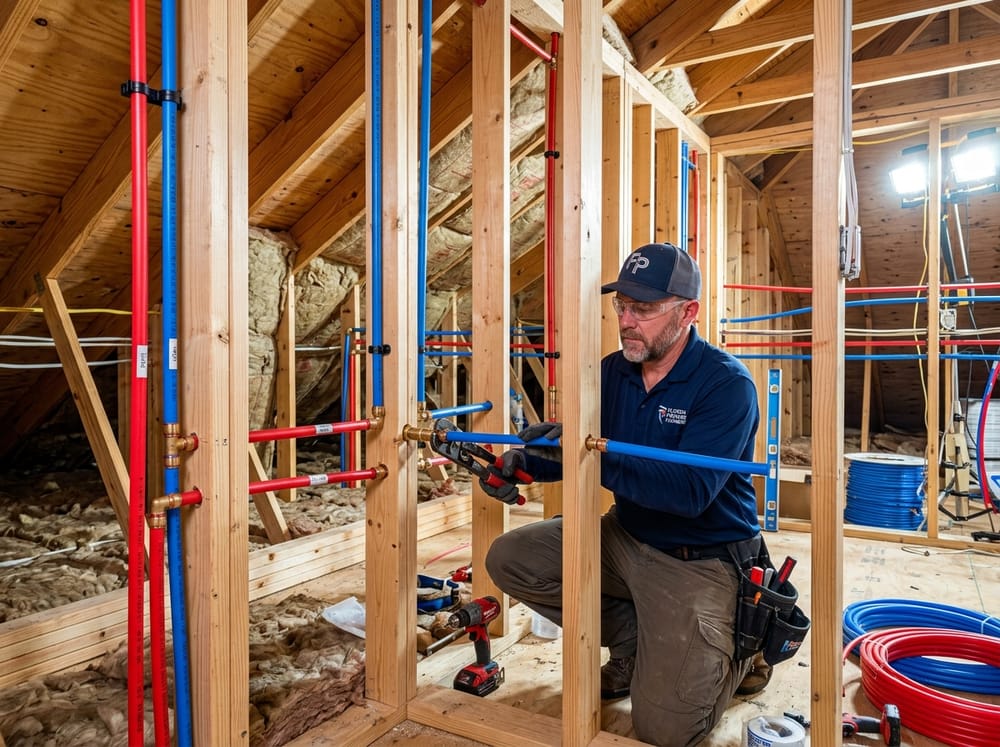
A handle that feels loose, sticks, or fails to control water properly may indicate a worn cartridge, damaged internal parts, or a loose connection.
Cartridge faucets commonly use a replaceable component to control water flow and temperature. The replacement must match the faucet's exact make and model to operate correctly.
If a faucet produces a weak or uneven stream, mineral deposits or debris may be restricting the aerator or another part of the fixture.
Cleaning or replacing a suitable aerator may restore normal flow. However, if several faucets have low pressure, the cause may be elsewhere in the plumbing system.
Installing a new faucet can update a kitchen or bathroom, replace a damaged fixture, or improve everyday usability.
Faucet installation may be needed when:
Before selecting a faucet, check the sink or countertop configuration, the number and spacing of mounting holes, the supply connections, and the available space beneath the sink. Some installations may require compatible adapters, new supply lines, or adjustments to existing connections.
Repairing a faucet is not always the most practical choice. Replacement may make sense when the fixture has extensive corrosion, a damaged body, persistent leaks, or internal parts that are difficult to source.
Consider replacement if:
A repair may be more economical when the problem is limited to a replaceable component. Comparing the condition of the existing faucet with the cost and requirements of a new fixture can help you make an informed decision.
Understanding the main faucet designs can help you identify your fixture and choose a suitable replacement.
Single-handle faucets use one lever to control water flow and temperature. They are common in kitchens and bathrooms and can be convenient where counter space is limited. A worn cartridge or internal seal may cause dripping, inconsistent temperature control, or a stiff handle.
Double-handle faucets use separate controls for hot and cold water. Depending on the design, a leak may be caused by a worn washer, valve stem, cartridge, or seal. Identifying the faucet model helps ensure that compatible replacement parts are used.
These faucets include a spray head connected to a flexible hose. Pull-down designs generally extend downward from a taller spout, while pull-out models extend toward the user. Possible problems include hose leaks, a spray head that does not retract, or a faulty selector.
Touchless faucets use sensors to activate water flow. They may rely on batteries or a hardwired power connection. Problems can involve sensor operation, power supply, solenoid components, or water flow restrictions requiring manufacturer-specific troubleshooting.
Wall-mounted faucets connect through plumbing inside the wall rather than through the sink or countertop. Installation and repair may require access to concealed connections. Leaks behind the wall should be investigated promptly to prevent moisture damage.
Utility faucets are commonly used in laundry rooms, garages, and utility sinks. These fixtures may experience dripping spouts, worn handles, corroded connections, or leaks around the mounting points depending on the age and condition of the supply lines.
Look out for these common warning signs around your kitchen, bathroom, and utility faucets:
Faucet issues can develop for several reasons:
Kitchen and bathroom fixtures can vary in age, design, and condition. The right solution depends on the faucet model, the location of the leak, the condition of the supply connections, and whether suitable replacement parts are available.
For homeowners in Bennett, Colorado, identifying the source of a leak is especially important when water is collecting inside a cabinet or affecting nearby flooring. For general plumbing concerns or urgent leaks, visit our plumbing services in Bennett, CO to discuss service options.
Got questions about dripping fixtures, cartridge replacement, or faucet installation? Here are common inquiries from Bennett homeowners.
Dealing with a dripping kitchen faucet, a leaking bathroom fixture, low water flow, or a faucet that needs replacement? Contact us to discuss your plumbing needs and determine the next step.