🚨 24/7 Live Emergency Plumber • Bennett Rooters • Bennett, Strasburg, Watkins, Byers
Avg. Response: < 45 Mins
Licensed & Bonded

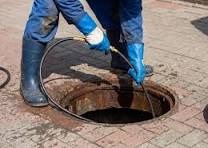
A drain that keeps clogging can turn an ordinary household task into a frustrating problem. Water may collect in the kitchen sink, drain slowly from the shower, or back up into a bathtub even after you have cleared the blockage.
If you are wondering, "Why do my drains keep clogging?" the answer often depends on where the problem occurs, what enters the drain, and whether the blockage is isolated or part of a larger plumbing issue.
Common causes include grease buildup, hair, soap residue, food scraps, foreign objects, and obstructions deeper inside the drain line. Understanding the cause can help you choose a suitable solution and determine when professional help may be needed.
Kitchen sinks often clog because grease, oil, food particles, and other residue accumulate inside the drainpipe. Grease may flow down the drain while warm, but it can cool and stick to pipe walls. Over time, this residue can trap other debris and restrict water flow. Food scraps can also contribute to blockages, especially when they are washed into the drain regularly.
What you can do: Avoid pouring cooking oil or grease down the sink. Wipe greasy cookware before washing it, and use a suitable sink strainer to catch food scraps. If the sink repeatedly clogs despite these precautions, the blockage may be deeper in the drain line and require further investigation.
Hair is one of the most common causes of clogged shower, bathtub, and bathroom sink drains. Hair can collect around the drain opening and combine with soap residue, shampoo, and other debris. As this material accumulates, water has less space to flow through the pipe.
What you can do: Install a suitable drain cover or hair catcher and clean it regularly. If the blockage is accessible, removing visible debris carefully may improve drainage. Avoid forcing tools deep into a pipe if you cannot see what is causing the obstruction. A recurring clog may require a more thorough cleaning.
Soap residue can combine with hair, dirt, and other debris to form stubborn buildup inside bathroom drains. In areas with hard water, mineral deposits may also accumulate on plumbing fixtures and inside pipes over time. These materials can gradually narrow the available passage for water, making blockages more likely.
Regularly cleaning drain covers and removing accessible residue can help reduce buildup. However, deposits deeper inside the plumbing system may require a more thorough assessment.
Some materials do not break down or move through plumbing as easily as people expect. Flushing or washing them into a drain can create blockages.
To reduce the risk of clogs, dispose of these items in the appropriate waste container instead of sending them into your plumbing system. If a blockage develops after an unsuitable item enters a drain, avoid repeatedly flushing or running water in an attempt to force it through. This may worsen a backup.
Sometimes the problem is not near the sink, shower, or bathtub opening. Debris may have accumulated farther inside the drainpipe, making it difficult to remove with a basic household tool. Recurring clogs can occur when an obstruction is only partially cleared. Water may initially drain better, but the remaining debris continues to collect material.
The location and severity of the blockage determine the appropriate solution. A plumber may use drain-cleaning equipment to clear the obstruction and assess whether further inspection is necessary. Learn more about our drain cleaning services if you are dealing with persistent or recurring blockages.
If multiple drains throughout your property are slow or backing up, the problem may involve a shared drain line or the main sewer line rather than an individual fixture. Tree roots can enter sewer pipes through existing cracks or joints. Older, damaged, misaligned, or collapsed pipes can also interfere with wastewater flow.
These symptoms do not automatically mean the sewer line is damaged, but they deserve attention. If a sewer blockage or pipe defect is suspected, an appropriate inspection can help identify the cause. Avoid repeatedly using affected fixtures when wastewater is backing up. Explore our sewer line repair options for thorough assessment.
The right approach depends on the fixture and the nature of the blockage. For a minor clog, a few simple steps may help:
If you can safely access the drain opening, remove visible hair or food debris. Wear gloves and avoid reaching blindly into the pipe.
A plunger may help dislodge a minor blockage. Use the appropriate type for the fixture and follow the manufacturer's instructions. Do not plunge aggressively if chemical drain cleaner has already been used.
Never mix drain cleaners or combine them with other household chemicals. Dangerous reactions can release heat, splashes, or toxic gases. Follow safety instructions carefully.
Repeatedly attempting to clear the same blockage may not address its underlying cause. If the drain remains slow, arrange an assessment.
For persistent problems, professional drain cleaning may help identify and remove the obstruction safely.
A drain camera inspection involves inserting a specialized camera into an accessible drain or sewer pipe to examine its interior.
It may be useful when:
The camera reveals conditions that cannot be seen from the drain opening. It identifies problems but does not automatically clear blockages or repair pipework.
Hydro jetting uses specialized equipment to direct high-pressure water through a pipe to remove suitable buildup and obstructions.
It may be considered when grease, sludge, or other deposits have accumulated inside a drain line and conventional methods are insufficient. The appropriate approach depends on the blockage type and plumbing condition.
A few regular habits can reduce the likelihood of recurring drain problems:
Prevention helps, but it cannot eliminate every blockage. Pipe condition, the layout of the plumbing system, and the material causing the obstruction can all affect drainage.
If recurring clogs affect multiple drains or you are dealing with a more serious plumbing problem, visit our page for plumbing services in Bennett, CO to explore the available options.
Common questions regarding recurring clogs, boiling water, snaking vs jetting, and sewer line inspections.
A drain that repeatedly blocks may need more than a quick fix. Identifying whether the problem comes from grease, hair, accumulated debris, or a deeper pipe obstruction can help determine the next step.
If you are experiencing recurring drain problems in Bennett, CO, explore our drain cleaning services to learn more about possible solutions and discuss service availability.