🚨 24/7 Live Emergency Plumber • Bennett Rooters • Bennett, Strasburg, Watkins, Byers
Avg. Response: < 45 Mins
Licensed & Bonded

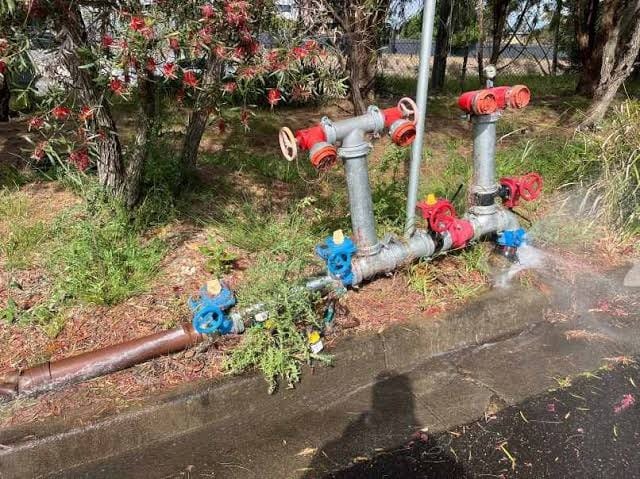
A burst pipe can release a large amount of water in a short time, damaging floors, walls, ceilings, cabinets, furniture, and personal belongings. Even a small split in a pipe can cause serious problems if water continues flowing unchecked.
Knowing what to do when a pipe bursts can help you limit property damage and protect the people inside your home. The most important priorities are to stop the water supply if it is safe, avoid electrical hazards, protect belongings where possible, and arrange a proper repair.
If you discover a burst pipe in your Bennett, CO home, follow these steps to respond safely.
Your first priority is to stop more water from entering the damaged pipe.
Locate your home's main water shutoff valve. Depending on the property, it may be near the point where the water supply enters the house, in a utility area, or in another accessible location.
Turn the valve to stop the water supply if you can reach it safely. If the valve is difficult to operate, damaged, or inaccessible, do not force it.
Once the water is shut off, opening a suitable faucet may help release remaining pressure and allow water in parts of the plumbing system to drain. Be careful if water is hot or if the affected area is unsafe to enter.
Important Safety Warning: If water is near electrical equipment, outlets, or a breaker panel, do not enter the area just to reach the shutoff valve. Prioritize personal safety and contact the appropriate emergency service or a qualified professional for assistance.
Water and electricity are a dangerous combination. A burst pipe can wet electrical outlets, appliances, extension cords, lighting fixtures, or wiring concealed behind walls and ceilings.
Before entering the affected area, look for visible electrical hazards from a safe location. Always follow these vital precautions:
If the electrical supply needs to be disconnected, have it done only when the shutoff can be reached safely. Contact a qualified electrician when water has affected electrical components.
Do not assume an area is safe simply because the visible water has been removed.
After the water supply has been stopped and the area is safe to enter, move belongings away from the affected area where practical.
Prioritize items that could be damaged quickly, such as electronics, documents, rugs, furniture, and valuables.
If water is coming through a ceiling, do not stand beneath a bulging or sagging section. Water accumulation can weaken ceiling materials and create a risk of collapse.
Avoid moving heavy furniture across wet floors if doing so could cause injury or further damage.
Your safety comes first. Do not attempt to rescue possessions from an area with electrical hazards, unstable ceilings, or significant flooding.
Standing water can spread into adjoining rooms and soak into flooring, baseboards, drywall, and insulation. Once the area is safe, take reasonable steps to contain the water.
You may be able to:
Avoid using household electrical equipment in wet areas. Do not operate a wet vacuum, fan, or dehumidifier where water may contact electrical components unless the equipment and power supply are confirmed safe for the conditions.
If water has spread beneath flooring, entered wall cavities, or affected multiple rooms, surface drying alone may not be enough.
If it is safe, take photographs or videos of the damaged pipe, standing water, and affected belongings before cleanup.
Documentation can help you keep track of the damage and may be useful if you need to make an insurance claim.
Consider recording:
Keep receipts for emergency services, cleanup, temporary repairs, and replacement items. Contact your insurance provider to ask about coverage, documentation requirements, and the next steps under your policy.
Do not delay necessary emergency action just to take photographs.
Once immediate safety concerns are addressed and the water supply is stopped, arrange a professional assessment of the damaged pipe.
A burst pipe may result from freezing conditions, corrosion, excessive pressure, a failed connection, physical damage, or deterioration of the pipe material.
The repair depends on the cause, location, and extent of the damage. A professional may need to inspect the exposed pipe, identify the failed section, and determine whether a localized repair or pipe replacement is appropriate.
Avoid wrapping the damaged section and assuming the problem is permanently resolved. Temporary measures may not withstand water pressure, and concealed damage can remain after the visible leak has stopped.
Visit our specialized burst pipe repair service page to learn more and confirm immediate availability.
Stopping the leak does not mean the emergency is over. Water can remain inside building materials long after the visible puddles have disappeared.
Wet drywall, insulation, wood, carpets, and other porous materials may require specialized drying or removal, depending on how much water they absorbed and how long they remained wet.
Do not assume that a room is dry simply because the surface feels dry. Moisture can remain beneath flooring or inside walls.
If the burst pipe caused substantial flooding or affected multiple rooms, a water damage restoration professional may be needed in addition to a plumber.
Repairing the damaged section is important, but understanding why the pipe failed can help reduce the risk of another incident.
During cold weather, water inside a pipe can freeze and expand. This can place pressure on the pipe and cause it to crack or split.
The leak may become apparent when the ice begins to thaw and water starts flowing through the damaged section.
Some pipes deteriorate over time because of corrosion, material wear, or changing plumbing conditions. Older plumbing may develop weak sections that become more vulnerable to leaks.
Excessive water pressure can place additional stress on pipes, fittings, valves, and appliance connections. If pressure is contributing to repeated leaks, the underlying issue may need to be investigated.
Loose, deteriorated, or damaged fittings can allow water to escape. A connection failure may appear to be a pipe burst even when the pipe itself has not split.
Accidental impact, construction work, drilling, or other physical damage can puncture or crack plumbing pipes. Identifying the likely cause helps determine whether the affected section needs repair, replacement, or a broader assessment of the plumbing system.
Although not every pipe failure can be prevented, a few precautions can reduce the risk.
Insulate vulnerable pipes in unheated areas, such as garages, crawl spaces, and other exposed locations. During freezing weather, follow appropriate local guidance for protecting plumbing.
Make sure household members know where the main water shutoff valve is and how to operate it safely. Being able to stop the water supply quickly can limit damage during a future leak.
Dripping connections, corrosion, and recurring moisture around pipes may indicate developing problems. Arrange an assessment instead of allowing the symptoms to continue.
If your home has unusually high pressure or repeated plumbing leaks, ask a qualified professional whether pressure testing or regulation is appropriate.
If pipes are deteriorating or several sections have failed, ask whether a broader inspection or repiping assessment would be beneficial.
If a burst pipe has left you with an urgent plumbing problem, visit our Bennett, CO plumbing service page to learn how to contact us for assistance.
Essential answers for handling water emergencies, stopping immediate damage, avoiding electrical hazards, and organizing repairs.
Available 24/7 for burst pipe emergencies in Bennett, CO
A burst pipe requires prompt attention to stop the water, protect the property, and identify the cause of the failure. Once immediate safety concerns have been addressed, our team will assess the damaged plumbing and restore your system.