🚨 24/7 Live Emergency Plumber • Bennett Rooters • Bennett, Strasburg, Watkins, Byers
Avg. Response: < 45 Mins
Licensed & Bonded
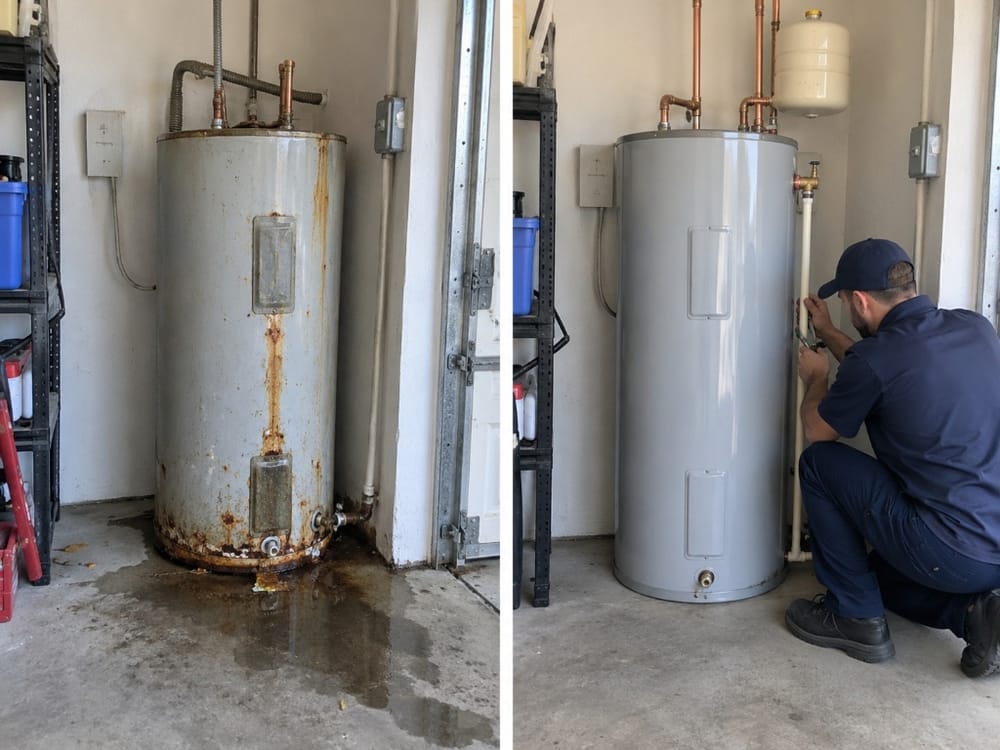
When your water heater stops producing hot water, everyday activities such as showering, washing dishes, and doing laundry can become difficult. Sometimes the problem is simple, such as an incorrect thermostat setting. In other cases, a faulty heating element, gas supply issue, sediment buildup, or equipment failure may be responsible.
The cause often depends on the type of water heater you have and whether the unit produces no hot water at all, delivers lukewarm water, or runs out of hot water unusually quickly.
If your water heater is not producing hot water, these common causes and safe troubleshooting steps can help you understand what may be happening and when professional assistance is appropriate.
Electric water heaters need electricity to operate their heating elements and controls. If the power supply is interrupted, the unit may stop heating water. Possible causes include a tripped circuit breaker, a power interruption, a faulty electrical connection, or a problem with the unit's internal controls.
If the breaker has tripped, do not repeatedly reset it. A breaker that trips again may indicate an electrical fault that needs professional attention. Never remove electrical covers or handle exposed wiring while troubleshooting. If the problem persists, contact a qualified professional to inspect the unit.
Many electric storage water heaters use one or more heating elements to warm the water inside the tank. If an element fails, the unit may produce lukewarm water, heat water more slowly than usual, or stop producing enough hot water. Some electric tank water heaters use an upper and lower heating element. A fault in one element can affect the amount of hot water available.
Diagnosing a heating element requires specialized electrical testing. Do not remove access panels or attempt electrical repairs yourself. A qualified plumber can test the elements and thermostats to determine whether replacement is needed.
Gas water heaters use a burner to heat the water. If the burner does not ignite, the unit may fail to produce hot water. Potential causes include an interrupted gas supply, a faulty ignition system, a malfunctioning gas control valve, or a problem with the pilot assembly.
Some gas water heaters use a standing pilot light to ignite the main burner. If the pilot goes out, the burner may not operate and the water may remain cold. A pilot can extinguish due to drafts, a faulty thermocouple or flame sensor, or an ignition assembly failure.
Check the manufacturer's instructions for your specific model. Only follow a relighting procedure if approved by the manufacturer and you can do so safely. If the pilot repeatedly goes out or you smell gas, stop troubleshooting and seek professional service.
A water heater thermostat controls the target water temperature. If the setting is too low, the water may feel lukewarm. However, a faulty thermostat or failed heating control can also prevent water from reaching the desired temperature.
Consult the manufacturer's manual to check the temperature setting (typically recommended around 120°F). Avoid raising the temperature excessively to prevent accidental scalding. If the dial is correct but water remains lukewarm, test the internal thermostats.
Minerals naturally present in Colorado water can settle inside a storage water heater over time. Heavy sediment buildup insulates the water from the heat source, creating popping or rumbling noises and reducing heating efficiency.
Periodic flushing helps restore efficiency. If you are unsure how to drain the pressurized tank safely, arrange professional maintenance.
Sometimes the heater is operating normally but simply cannot supply enough hot water for simultaneous demand. Multiple back-to-back showers, dishwashers, and laundry can deplete storage tanks faster than recovery rates allow. Tankless systems can also struggle if flow rates exceed GPM heating capacity during winter months when groundwater is cold.
If hot water is available initially but exhausts rapidly during heavy family usage, consider staggering usage or upgrading to a high-capacity tank or high-efficiency tankless system.
Tankless water heaters heat water on demand as it passes through the unit. They can shut down or stop heating if an internal sensor detects an operating issue, such as restricted water flow, a clogged inlet filter, mineral scale buildup inside the heat exchanger, or ignition errors.
A plumbing leak, cross-connection, or failing shower mixing valve can cause hot water problems even when the heater is functioning properly. A faulty mixing valve can bleed cold water into the hot line, making water feel lukewarm. Similarly, a hidden hot water pipe leak can continuously drain hot water from the tank.
If the water heater is hot to the touch but fixtures produce lukewarm water, inspect for mixing valve crossover or concealed pipe leaks.
Standard tank water heaters typically have an operating lifespan of 8 to 12 years. As units age, internal tank corrosion, weakened heating elements, and recurring component failures make ongoing repairs less practical.
If your water heater is over 10 years old, leaking from the tank body, or requiring frequent repairs, replacing the unit with a high-efficiency model is often the most economical choice. Explore our water heater replacement options.
Before arranging service, a few basic observations can help clarify the problem:
Check whether the lack of hot water occurs at every tap and shower or only at one fixture. If only one outlet is affected, the cause may be a local mixing valve rather than the water heater.
Determine whether you have an electric tank, gas tank, or tankless water heater. The likely causes and safe troubleshooting procedures differ significantly by system.
If the unit has a display or status light, note any error code and consult the user manual. Avoid removing access covers or attempting internal electrical repairs.
Look for visible water around the unit without touching hot surfaces. If you smell gas, leave the property immediately and call emergency services from a safe location.
If the unit continues producing cold water or you notice recurring faults, arrange a professional assessment instead of repeatedly resetting the system.
If you need help determining the next step, explore our water heater repair services.
Professional assessment is appropriate when:
If your water heater problem is accompanied by leaking pipes or other plumbing concerns, you can learn more about our plumbing services in Bennett and find the appropriate next step.
Common questions regarding hot water loss, lukewarm showers, resetting equipment, and repair vs replacement.
A water heater that stops producing hot water can have several possible causes, ranging from a simple setting issue to a failed component or gas supply problem. Identifying the cause is important before deciding whether a repair or replacement is needed.
If your water heater is producing cold water, running out of hot water too quickly, or showing signs of a fault, explore our water heater repair services in Bennett, CO.