🚨 24/7 Live Emergency Plumber • Bennett Rooters • Bennett, Strasburg, Watkins, Byers
Avg. Response: < 45 Mins
Licensed & Bonded
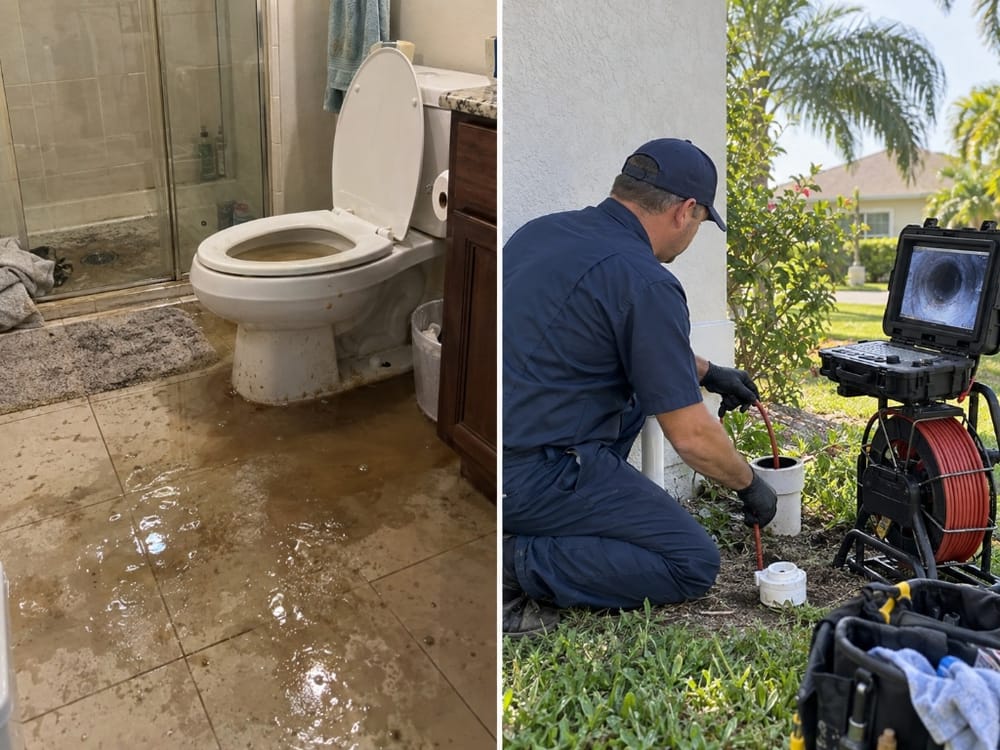
Your home's sewer line carries wastewater away from toilets, sinks, showers, and other plumbing fixtures. When this line becomes blocked, cracked, or damaged, you may notice changes in how your plumbing drains or smells.
Recognizing the signs of a damaged sewer line early can help you identify a potential problem before it causes more extensive plumbing damage. Some symptoms can also result from ordinary drain clogs, blocked vent pipes, or other plumbing issues, so it is important not to assume every warning sign means the main sewer line is damaged.
For homeowners in Bennett, CO, understanding these symptoms can help you decide when basic troubleshooting may be appropriate and when a professional inspection is worth considering.
One of the most noticeable signs of a possible sewer line problem is wastewater backing up into a toilet, bathtub, shower, or floor drain.
An isolated backup may be caused by a localized clog. However, if backups keep returning after a drain has been cleared, the blockage could be farther down the drainage system.
Pay attention to whether the problem affects several fixtures or repeatedly occurs in the same areas. Recurring backups involving multiple fixtures can indicate a blockage or damage in a shared drain line or the main sewer line.
Avoid repeatedly flushing toilets or running water when wastewater is backing up. If sewage is entering your home, stop using affected fixtures and arrange a plumbing assessment.
For persistent problems, professional sewer line repair in Bennett, CO may be appropriate after the cause has been identified.
A slow kitchen sink does not necessarily indicate a damaged sewer line. Grease, food particles, hair, and soap residue can create individual drain clogs.
The situation deserves closer attention when several fixtures begin draining slowly around the same time. For example, you might notice that the shower drains slowly while a nearby toilet gurgles or a bathroom sink takes longer than usual to empty.
When multiple fixtures are affected, the issue may involve a shared drain branch, a blockage in the main sewer line, or another drainage-system problem.
Note which fixtures are affected and whether the symptoms occur together. Avoid pouring chemical drain cleaners into the plumbing, especially if you suspect a major blockage or already have standing wastewater.
A plumber can evaluate the affected drains and determine whether the issue is localized or farther down the sewer system.
A persistent sewage-like smell in a bathroom, basement, utility area, or yard can be another warning sign.
The smell alone cannot confirm that the sewer line is damaged. However, a strong or recurring sewage odor should not be ignored, particularly when it occurs alongside slow drains, backups, or wet patches in the yard.
If the odor is limited to one fixture, a dry trap or local plumbing issue may be responsible. If the smell persists, spreads across several areas, or accompanies other drainage problems, arrange a professional inspection.
Important Safety Alert: If you notice a strong sewer-gas odor indoors, ventilate the area if it is safe to do so and avoid flames or ignition sources. Leave the area and seek appropriate emergency assistance if the odor is overwhelming or you feel unwell.
A damaged underground sewer line can sometimes allow wastewater to escape into the surrounding soil.
These symptoms can also result from irrigation leaks, rainwater drainage, or a broken water supply pipe. Do not assume that a wet patch proves a sewer leak.
If the affected area has a sewage odor or appears alongside repeated indoor backups, a sewer inspection may help identify the source. Avoid digging around suspected underground pipes until their locations and the nature of the problem have been assessed.
Gurgling or bubbling sounds can occur when air moves through plumbing because water is struggling to pass through a restricted drain.
For example, you may hear a toilet bubble when a nearby sink drains, or notice unusual sounds from a bathtub after flushing.
Potential causes include a partial drain blockage, a venting problem, or an obstruction in a shared sewer line. Gurgling by itself is not enough to establish that a pipe is cracked or broken.
Observe whether the sounds occur in one fixture or several. If gurgling is accompanied by slow drainage, recurring backups, or sewage odors, arrange a plumbing evaluation rather than treating each fixture as an unrelated problem.
Tree roots can enter sewer pipes through small openings, loose joints, or existing cracks. As roots grow, they may restrict wastewater flow and contribute to repeated blockages or pipe damage.
Older pipes and deteriorating joints can be more vulnerable, although the actual risk depends on the pipe material, condition, and nearby vegetation.
Root intrusion may cause symptoms such as recurring backups, slow drainage throughout the home, or repeated blockages that return after cleaning.
Roots cannot usually be confirmed from household symptoms alone. A sewer camera inspection may reveal root growth, accumulated debris, separated joints, or other visible problems inside an accessible section of pipe. Removing a blockage may restore flow, but the appropriate long-term solution depends on whether the pipe itself is damaged.
Wastewater appearing in a basement floor drain, lower-level shower, or bathtub can indicate a significant drainage restriction.
When a main drain or sewer line cannot carry wastewater away properly, water used elsewhere in the house may cause it to back up through a lower fixture.
This is especially concerning if more than one fixture is affected or the backup contains sewage.
Stop using toilets, sinks, showers, washing machines, and other fixtures that may send more water into the affected line. Keep children and pets away from contaminated areas, and avoid direct contact with sewage. Sewage-contaminated water can contain harmful microorganisms. Professional assessment and appropriate cleanup may be necessary.
A sewer camera inspection uses a specialized camera attached to a flexible cable to examine the inside of an accessible sewer pipe. It can help a plumber investigate recurring drainage problems without relying only on symptoms or guesswork.
The camera can help identify visible obstructions and pipe conditions, but it does not always reveal every underground issue. Heavy standing water, difficult access, or the location of a defect can limit what is visible. Additional testing may sometimes be necessary. The inspection findings help determine whether the problem calls for drain cleaning, root removal, a localized repair, or more extensive sewer line work.
Several factors can contribute to sewer line problems in residential plumbing systems:
Some older sewer pipes can deteriorate over time, depending on their material, installation, soil conditions, and maintenance history.
Roots may enter through openings or weak joints and restrict wastewater flow, gradually expanding to damage pipe integrity.
Ground movement, settlement, or changes in soil conditions can affect underground pipe alignment and connections.
Grease, debris, and other materials can restrict flow. A blockage does not automatically mean structural damage, but recurring restrictions deserve investigation.
Separated joints, cracks, and installation-related problems can allow wastewater to escape or interfere with drainage. Identifying the underlying cause is important because clearing a blockage may not resolve a structural defect.
Although not every sewer line issue is preventable, a few habits can reduce avoidable blockages and help you spot trouble earlier:
Let cooking grease cool and place it in the trash rather than pouring it down the sink.
Flush only toilet paper and human waste unless your plumbing professional advises otherwise.
Record when backups, gurgling, or slow drains occur and which fixtures are affected.
These products may be unsuitable for certain pipes and will not repair cracks or separated joints.
If the same problem keeps returning, ask a plumber whether a sewer camera inspection is appropriate.
Before digging or undertaking landscaping work, identify buried utility lines and plumbing routes.
Contact a plumbing professional when you experience repeated backups, several slow drains, persistent sewer odors, or signs of possible wastewater leakage.
Treat sewage backing up into your home as an urgent issue. Stop using affected plumbing fixtures, avoid contact with contaminated water, and arrange appropriate professional help.
Not every symptom requires sewer line replacement. Depending on the findings, the solution may be a drain cleaning, removal of an obstruction, a localized pipe repair, or another plumbing correction.
For recurring sewer problems or other plumbing issues around your home, explore our plumbing services in Bennett, CO to learn more about getting help.
Review our specialized services to learn about issues requiring professional assessment.
Answers to common questions about recognizing sewer line damage, camera inspection diagnosis, tree root intrusion, and urgent plumbing repairs.
Available 24/7 for sewer line emergencies across Bennett, CO
Repeated backups, slow drains throughout the home, and persistent sewer odors can indicate a problem that needs more than a temporary unclogging. Identifying the cause can help you determine the appropriate next step.